Wildlife and human activity often collide in surprising ways, and one recent example has drawn national attention. At Apple Valley High School in Minnesota, USA, the fall sports season has taken an unexpected turn, not because of weather or scheduling conflicts, but because of a pair of ospreys nesting on a stadium light pole.
This unusual situation has forced the school to change the way football, soccer, and other outdoor games are played. While students, athletes, and parents are adjusting to these changes, the incident has also sparked conversations about wildlife conservation, human responsibility, and how communities can coexist with nature.
In this article, we’ll dive into the full story of the ospreys nesting incident, its impact on the school, the steps taken by officials, and why it reflects both the challenges and successes of protecting wildlife.
What Exactly Happened at Apple Valley High School?
Apple Valley High School, like many others in the United States, has tall light poles around its football field to host evening and night games. But earlier this year, a pair of ospreys, large fish-eating birds of prey, chose one of those poles as the perfect spot to build their nest.
The nest grew quite large, as ospreys typically construct huge stick structures that can withstand strong winds and provide safety for their chicks. Unfortunately, its location on a light pole created a dangerous problem.
Officials realised that if the stadium lights were turned on during games, the heat could potentially overheat the nest or even cause a fire, putting the birds at serious risk. Because ospreys are a protected species under federal law, disturbing or removing the nest while it is active is illegal.
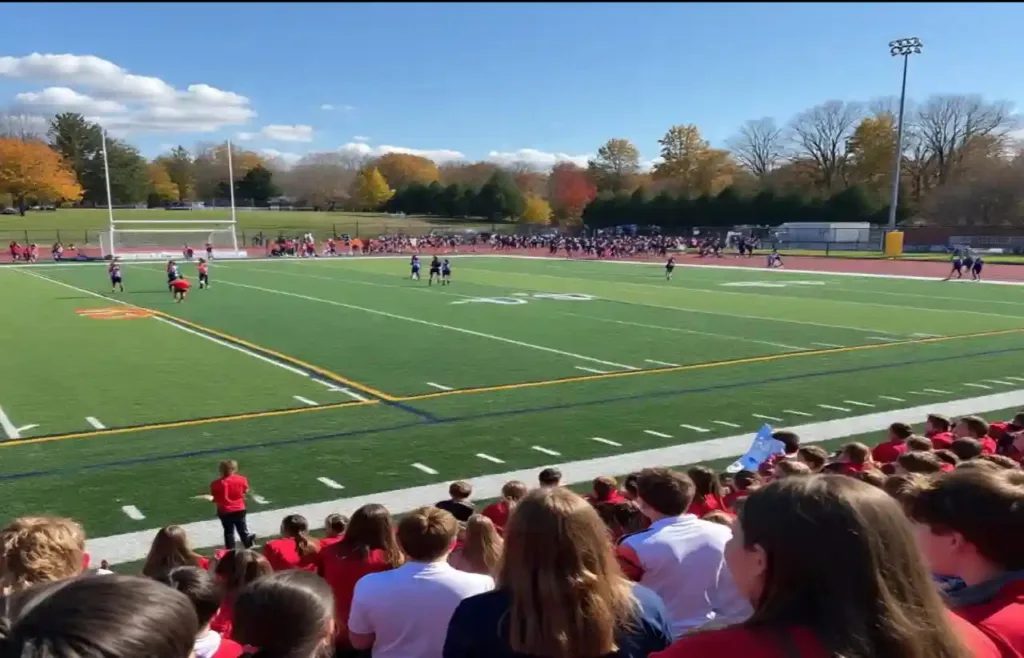
That meant the school had to make a quick decision: either cancel evening sports altogether or reschedule them to daytime. Choosing the latter, Apple Valley High School decided to host football and soccer matches under the sun instead of the usual Friday night lights.
Why Ospreys Nesting Is Such a Big Deal
To understand why this incident is significant, it’s important to know the history of osprey populations in Minnesota.
Decades ago, ospreys nearly disappeared from many regions due to habitat loss, pollution, and the use of harmful pesticides like DDT, which weakened their eggshells and caused breeding failures. Thanks to strong conservation efforts, including banning DDT and building safe nesting platforms, osprey numbers have steadily recovered.
Today, seeing ospreys nesting in urban and suburban areas is considered a conservation success story. These birds are now common across Minnesota’s lakes, rivers, and even city areas where tall poles or towers provide the height and security they prefer.
However, their comeback also means more frequent interactions with humans, as in the case of Apple Valley High School. While some may see it as a nuisance, conservationists view it as a sign of progress.
How Authorities Responded
The Minnesota Department of Natural Resources (DNR) immediately stepped in once the school reported the osprey nest. Working alongside wildlife experts, the DNR established strict guidelines to protect the birds while allowing school activities to continue.
Key measures included:
- Monitoring with Drones – Drones were flown twice weekly to check on the health of the osprey chicks.
- No Stadium Lights – Evening and night events were cancelled to avoid overheating or damaging the nest.
- Temporary Sports Adjustment – Matches were shifted to daytime, causing schedule changes for students, athletes, and parents.
- Future Nest Management – Once the chicks leave the nest, authorities plan to relocate the nest to a specially built osprey platform nearby.
This solution balances both human and wildlife needs: students can eventually return to night games, while ospreys continue to have a safe nesting site.
Impact on Students and the School
The ospreys nesting incident has had mixed effects on Apple Valley High School’s community. On one hand, the change in sports schedules has been inconvenient for players, coaches, and families who are used to the excitement of evening games. Daytime matches are harder for working parents to attend, and some students miss out on the unique atmosphere of playing under the lights.
On the other hand, the school has embraced the situation as a teaching moment. Students in science classes have learned about osprey biology, migration, and conservation. The entire community has become more aware of the importance of protecting wildlife.
For many, the ospreys have become a symbol of resilience and coexistence, showing that nature and humans can share the same spaces if handled responsibly.
Conservation Success and Ongoing Challenges
The case of ospreys nesting at Apple Valley High School is not just a local news story; it reflects a bigger picture. Across the United States, conservation efforts have led to the recovery of many bird species, including ospreys, bald eagles, and peregrine falcons.
But as these birds reclaim their habitats, they often choose structures like power poles, stadium lights, and cell towers for nesting. While these sites provide safety from predators, they also create conflicts with human infrastructure.
That’s why wildlife agencies are promoting the construction of dedicated nesting platforms—tall wooden or metal poles topped with flat platforms where ospreys can build their homes without interfering with human activities. These platforms have been highly successful in reducing conflicts.
Community Reaction
The community response to the ospreys nesting incident has been largely positive. Parents and students expressed some frustration about altered sports schedules, but most people have shown pride in protecting the birds. Social media posts from the school community highlight photos and videos of the ospreys, often describing them as “unexpected mascots” for the season.
Wildlife enthusiasts across Minnesota have praised Apple Valley High School for handling the situation responsibly, setting an example for how institutions should respond to similar challenges.
Lessons Learned
The osprey case teaches several important lessons:
- Conservation works: Decades of protecting ospreys have paid off, as shown by their increasing presence.
- Coexistence is possible: With creativity and adjustments, humans can share space with wildlife.
- Education matters: Students exposed to this real-life conservation scenario may grow up with greater respect for the environment.
What Happens Next?
Once the osprey chicks are fully grown and leave the nest, the DNR will safely remove the structure from the stadium light pole. The school plans to work with conservation groups to install a new osprey nesting platform nearby, encouraging the birds to return to a safer spot next season.
This long-term solution will restore night sports at Apple Valley High School while continuing to support osprey conservation.
Conclusion
The story of ospreys nesting on a stadium light pole in Minnesota is more than just a quirky news headline. It’s a reminder that conservation efforts have real-world consequences, sometimes in unexpected places.
For Apple Valley High School, the osprey family may have disrupted the fall sports season, but they also brought a valuable lesson: nature doesn’t just belong in faraway forests or lakes; it is right here, living alongside us.
In the end, this unique situation highlights a bigger truth—if we are willing to adapt, we can find ways for both humans and wildlife to thrive together.
Here’s a complete SEO pack for your rewritten article on the Ospreys nesting on a Minnesota high school stadium light pole:
❓ FAQs
Q1. Why are ospreys nesting on the stadium light pole at Apple Valley High School?
A pair of ospreys chose the stadium light pole as their nesting site because it offers height, safety, and visibility. These structures mimic tall trees or cliffs, which ospreys prefer for nesting.
Q2. How has the osprey nest affected the high school’s fall sports season?
Because the nest is on the stadium light pole, night games cannot be held due to fire and safety risks. Football, soccer, and other sports have been rescheduled for daytime to protect the birds.
Q3. What steps is the Minnesota Department of Natural Resources taking?
The DNR is working with the school by monitoring the nest with drones twice a week. They will allow the chicks to grow and fledge before the nest is removed and relocated safely.
Q4. Can the school legally remove the osprey nest before the chicks leave?
No, federal and state wildlife laws protect active osprey nests. The school must wait until the chicks have left before removing or relocating the nest.
Q5. What will happen once the ospreys leave the nest?
The school plans to remove the nest from the stadium light pole, build a special nesting platform nearby, and install deterrents to prevent the birds from returning to the same risky spot.
Q6. Why are ospreys considered a conservation success story in Minnesota?
Ospreys were once threatened in Minnesota due to pesticide use and habitat loss. Conservation programs have helped restore their population, making them a symbol of wildlife recovery.
Q7. Could this problem happen again next year?
Yes, ospreys often return to the same nesting sites. That’s why the school is planning to install a nearby nesting platform and deterrents to guide the birds to a safer location.
Q8. How has the community reacted to the osprey nest?
While the nest has caused disruptions in the sports calendar, many in the community see it as a unique opportunity to witness wildlife conservation and are supportive of protecting the birds.
Q9. How long will the sports schedule be affected?
The disruption will last until the osprey chicks are fully grown and leave the nest, which is expected later in the fall season.
Q10. What does this incident teach about balancing wildlife and human activities?
The situation highlights how communities must adapt to protect wildlife while still managing human activities. It shows the importance of coexistence and responsible conservation.
Read More:- Rinku Singh Biography – India’s Rising Cricket Star in T20s