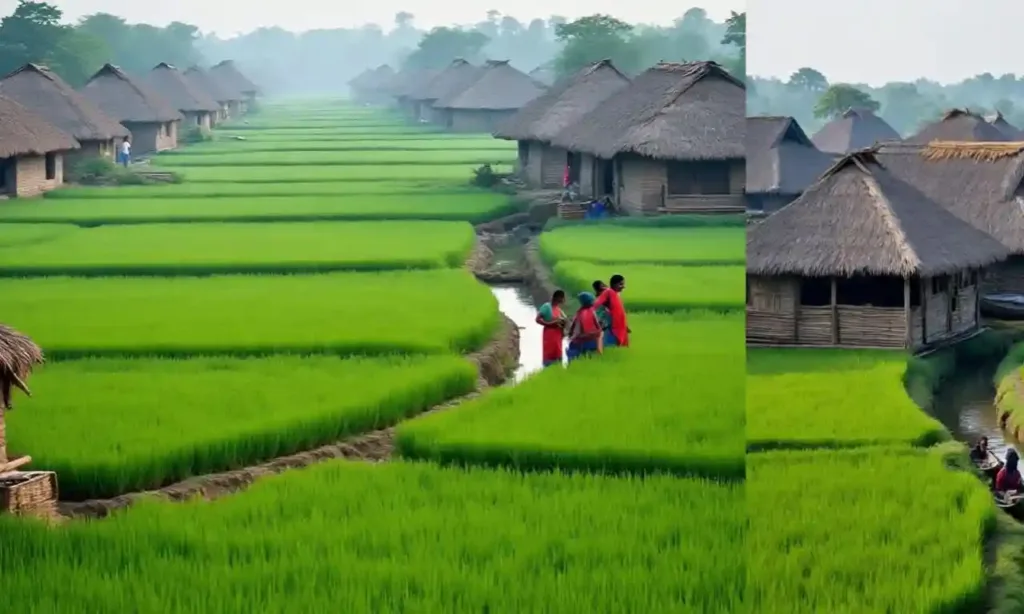
Konaseema, often called the “Kerala of Andhra Pradesh,” is a lush, green delta region blessed with coconut groves, scenic canals, and a unique cultural identity. Recently, this region has once again found itself in the spotlight after BJP state president P.V.N. Madhav reaffirmed that the central government is committed to developing Konaseema on the lines of Kerala.
During a Sobha Yatra in Amalapuram, Madhav made it clear that Konaseema is poised for transformative changes. From railway line expansions to farmers’ welfare schemes, and from tourism potential to infrastructure upgrades, the message was loud and clear — Konaseema is about to witness a phase of rapid growth and development.
A Region Full of Promise
For years, Konaseema has been admired for its natural beauty and fertile agricultural lands. Its coconut plantations, paddy fields, and serene backwaters give it a charm similar to Kerala, often making it a hidden gem in Andhra Pradesh.
Yet, despite its beauty and potential, the region has long struggled with infrastructure gaps. Limited railway connectivity, lack of robust highways, and inadequate government-backed facilities have prevented Konaseema from achieving its true economic and tourism potential.
That’s why the central government’s renewed commitment to focus on infrastructure development and livelihood improvement has brought fresh hope to the people of Konaseema.
Sobha Yatra in Amalapuram: A Symbol of Commitment
On Monday, P.V.N. Madhav participated in a Sobha Yatra in Amalapuram, which began at the iconic Clock Tower Centre and concluded at the Kapu Kalyana Mandapam. The event was also marked by tributes to Dokka Seetamma, a well-respected social reformer known for her selfless service and feeding the poor during times of famine.
The Sobha Yatra wasn’t just a political rally; it was a symbolic representation of the central government’s commitment to preserve Konaseema’s cultural roots while pushing it toward modern development.
Konaseema to Mirror Kerala’s Growth
While addressing the gathering, Madhav drew parallels between Kerala’s model of development and what the government envisions for Konaseema.
- Kerala is known globally for its backwater tourism, coconut-based industries, and human development indicators.
- Konaseema, with similar geographical advantages, can replicate this model if supported with the right infrastructure, tourism projects, and agricultural schemes.
The idea is not to simply copy Kerala but to create a “Konaseema model” that blends its natural beauty with modern facilities, making it a hub for tourism, trade, and cultural pride.
Kotipalli–Narsapur Railway Line: A Game-Changer
One of the most important announcements made by Madhav was regarding the Kotipalli–Narsapur railway line.
This long-awaited project has been a dream for Konaseema residents as it would significantly improve connectivity within the region and link it to other important towns and cities. Madhav assured that the line would be completed soon, marking a turning point in Konaseema’s accessibility and economic growth.
Rail connectivity means:
- Easier movement of people for jobs, education, and healthcare.
- Faster transportation of agricultural produce like coconuts and rice.
- Boost to domestic and international tourism in the backwater-rich region.
Other Infrastructure Initiatives
Alongside railway development, Madhav highlighted several key infrastructure projects that are underway:
- Amalapuram Railway Line Expansion – Bringing train services closer to residents and strengthening the region’s transportation system.
- National Highway from Kathipudi to Ongole – A major upgrade that will improve road connectivity, making Konaseema more accessible for trade and tourism.
- Village-level Infrastructure – Roads and facilities are being laid down to ensure development reaches even the smallest villages.
Welfare for Farmers and Workers
Konaseema is largely an agricultural economy, with coconut farming and toddy tapping being the primary occupations of many families. Recognizing this, Madhav emphasized the government’s focus on welfare schemes:
- Insurance schemes for coconut farmers to protect them from crop losses due to natural calamities like cyclones.
- Insurance coverage for toddy-palm climbers, who risk their lives every day for their livelihood.
- Long-term efforts to make farming more profitable by ensuring better market access through improved transportation and storage facilities.
By protecting the primary source of livelihood for thousands of Konaseema residents, these schemes ensure that economic growth is inclusive and benefits the grassroots.
Call to Communities: Plant a Tree for Your Mother
In a heartfelt appeal, Madhav urged people to honour their mothers by planting a sapling in her name. This initiative carries both an emotional and environmental message:
- It fosters a personal connection with nature.
- It encourages families to contribute to environmental conservation.
- It ensures future generations inherit a greener Konaseema.
Such symbolic but impactful initiatives strengthen the bond between cultural values and modern development.
Voices of Local Leaders
MLC Somu Veerraju also took the opportunity to encourage party workers to visit villages regularly and spread awareness about central government schemes. He highlighted that development is not just about announcing projects but ensuring they reach every household.
Other leaders, including Ayyaji Vema, Ayyala Basha, Nalla Pavan Kumar, and several others, joined the Sobha Yatra and pledged their support to the vision of developing Konaseema.
Their presence emphasized that this movement is not just political rhetoric but a collective push for regional transformation.
The Vision for Konaseema’s Future
Konaseema is on the cusp of a major transformation. If implemented effectively, the government’s plans could make the region a model of sustainable development in India.
The focus areas include:
- Tourism – Promoting backwater cruises, eco-tourism, and cultural tourism.
- Agriculture – Strengthening coconut-based industries, rice exports, and farmer welfare.
- Infrastructure – Railways, highways, and village connectivity to boost trade and accessibility.
- Social Development – Insurance schemes, cultural events, and environmental initiatives.
With the right policies and consistent execution, Konaseema could soon emerge as a national and global attraction, both for visitors and investors.
A Region Awakens
As the Sobha Yatra concluded, one thing was clear: Konaseema is no longer in the shadows. With strong backing from the central government and the proactive involvement of local leaders, the region is all set to chart a new course.
What was once seen as a quiet, beautiful delta may soon become a thriving hub of tourism, agriculture, and culture — an example of how development and tradition can go hand in hand.
For the people of Konaseema, this is more than just infrastructure projects or political promises. It is the beginning of a journey toward a brighter, more prosperous, and sustainable future.
FAQs
Q1. What is the central government’s development plan for Konaseema?
The Centre is focused on infrastructure projects like the Kotipalli-Narsapur railway line and aims to model Konaseema’s growth on Kerala’s development path.
Q2. Who announced the development plans for Konaseema?
BJP state president PVN Madhav announced the Centre’s commitment to Konaseema’s growth during a Sobha Yatra in Amalapuram.
Q3. What role does Prime Minister Modi play in Konaseema’s development?
PM Modi is working to enhance infrastructure, improve livelihoods, and bring growth opportunities to Konaseema in line with national development goals.
Q4. What is the significance of the Kotipalli-Narsapur railway line?
The railway line will improve connectivity, boost trade, and support regional development in Konaseema.
Q5. How does the Konaseema development plan impact locals?
Locals can expect better infrastructure, improved job opportunities, and an uplift in overall quality of life once projects are implemented.
Read More:-Khelo India Water Sports Festival: Fueling Global Dreams of India’s Kayakers and Canoeists