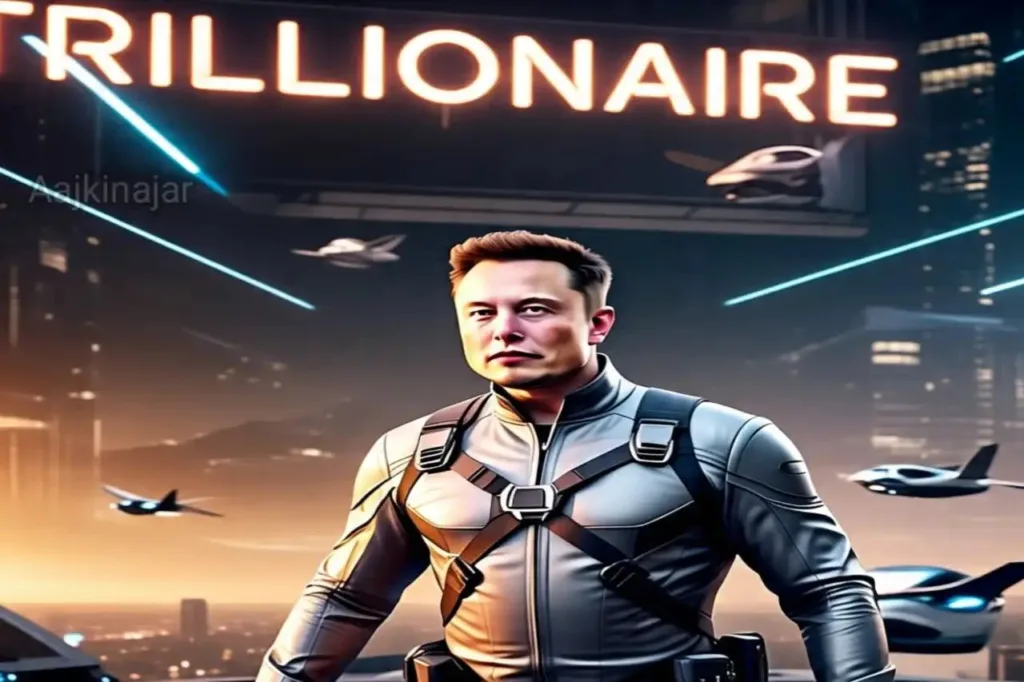
Tesla has once again stunned the corporate world. The electric car giant has proposed a pay package for its CEO, Elon Musk, that could make him the world’s first trillionaire. The package, reportedly worth close to $1 trillion in performance-based stock awards, is unlike anything we’ve seen before. If approved and fully achieved, it would not only change Musk’s financial future but also redefine how executive compensation is structured in modern business.
A Record-Breaking Deal
Tesla’s board of directors unveiled the proposal in early September 2025, immediately sparking debate across Wall Street, Silicon Valley, and even political circles. Unlike conventional salary or bonus structures, Musk’s pay package is entirely tied to Tesla hitting extraordinary performance milestones over the next decade.
At present, Musk’s net worth hovers around $430 billion. With this new plan, his wealth could more than double, pushing him beyond the trillion-dollar mark and cementing his place as the richest person in history.
What Makes This Package Different?
This isn’t a simple payout. Tesla has carefully structured the deal to ensure Musk only gets rewarded if the company achieves astronomical growth. The plan is divided into multiple tranches of stock options. Musk earns each tranche only when Tesla hits specific, highly ambitious goals, such as production levels, revenue benchmarks, and market valuation milestones.
The crown jewel of this package? If Tesla’s market capitalization reaches an unbelievable $8.5 trillion, Musk will unlock the full $1 trillion payout. For context, Tesla’s current market cap is roughly $1 trillion. That means the company would need to grow eight times larger—a nearly unimaginable leap in less than a decade.
The Conditions Elon Musk Must Meet
Tesla has laid out some of the boldest targets ever attached to a compensation plan. For Musk to realize the full payout, the company must achieve:
- Production of 20 million vehicles annually (more than double Toyota and Volkswagen combined).
- Deployment of 1 million humanoid robots.
- Launch of 1 million robotaxis, fully operational on roads worldwide.
- Expansion of Tesla’s Full Self-Driving subscription base to 10 million customers.
- Achievement of $400 billion in adjusted EBITDA.
- Implementation of a clear CEO succession plan while Musk continues to serve for at least 7.5–10 more years.
Each of these goals would not only transform Tesla into a behemoth but also reshape industries like AI, robotics, and mobility forever.
Why Did Tesla Do This?
Tesla’s board argues that Musk is the irreplaceable force behind the company’s vision. His leadership has taken Tesla from near bankruptcy to becoming the most valuable automaker in the world. With increasing competition in electric vehicles, AI, and robotics, the board sees Musk’s involvement as critical.
This package is designed to lock in his commitment and align his interests with shareholders. It’s essentially saying: “If Tesla wins big, Musk wins big too.”
The Risks Involved
But not everyone is impressed. Critics argue that the deal is excessive and could set a dangerous precedent. Tying so much of Tesla’s future to one individual might raise governance concerns. Others worry that such ambitious goals are unrealistic, potentially creating pressure for risky decisions just to chase targets.
There’s also the question of fairness. While Musk could become a trillionaire, Tesla’s thousands of employees and average shareholders may not benefit at the same scale. Detractors say corporate boards should focus on sustainable growth, not jaw-dropping paychecks.
A Historic Comparison
This isn’t Musk’s first mega-package. Back in 2018, Tesla approved a $56 billion pay deal for him—one of the largest in corporate history. However, that plan was invalidated by a Delaware court in 2024 due to concerns over conflicts of interest and shareholder fairness. The new proposal attempts to address those issues by making the performance metrics even stricter.
If successful, this package would dwarf not only Musk’s previous deal but also the compensation of any executive in modern history.
Shareholders Hold the Power
The ultimate decision lies with Tesla’s shareholders. They will vote on the package during Tesla’s annual meeting in November 2025. If approved, Musk could begin unlocking tranches over the next decade as Tesla achieves its milestones. If rejected, the package is off the table, and Musk’s pay remains tied to his existing agreements.
This vote is expected to be one of the most closely watched corporate governance moments of the decade.
What Could This Mean for Tesla’s Future?
If Tesla manages to achieve even half of these goals, the company will revolutionize multiple industries at once. Mass adoption of robotaxis, humanoid robots, and advanced AI could redefine urban life and the global economy.
For investors, the upside is astronomical. But the risks are just as high. Tesla would need flawless execution, massive capital investments, and smooth navigation of regulatory hurdles across the globe.
Supporters vs. Critics
Supporters of the plan argue:
- It ties Musk’s rewards directly to Tesla’s performance.
- It ensures Musk remains focused on Tesla rather than spreading himself too thin across SpaceX, X (formerly Twitter), Neuralink, and other ventures.
- It represents bold thinking, fitting for a company that thrives on ambition.
Critics counter:
- The goals are nearly impossible, making the plan more of a publicity stunt.
- Concentrating so much wealth and power in one person creates governance risks.
- The scale of potential inequality is staggering, as Musk alone could hold more wealth than many nations combined.
The Bigger Picture
Whether or not Musk achieves trillionaire status, this pay package signals something larger: the shifting landscape of corporate compensation. Companies are increasingly tying pay to long-term performance metrics rather than short-term bonuses. Tesla’s approach might inspire—or alarm—other corporate boards around the world.
Conclusion
Tesla’s proposed pay package for Elon Musk is bold, controversial, and unprecedented. It reflects Tesla’s identity as a company that thrives on ambition and disruption. If Musk manages to hit these targets, history will not only remember him as the first trillionaire but also as the man who reshaped industries ranging from automobiles to robotics.
The big question now: will Tesla’s shareholders take this trillion-dollar bet?
FAQs
1. What is Tesla’s proposed pay package for Elon Musk?
It is a performance-based plan worth up to $1 trillion in stock awards, tied to Tesla achieving extraordinary milestones over the next decade.
2. Could this package really make Musk a trillionaire?
Yes, if Tesla reaches its goals, Musk’s wealth could surpass $1 trillion, making him the first person in history to do so.
3. What are the main conditions Musk must meet?
Targets include producing 20 million cars annually, deploying robotaxis and humanoid robots, reaching $400 billion EBITDA, and expanding Tesla’s AI-driven services.
4. How does this compare to Musk’s 2018 pay package?
The 2018 plan was worth $56 billion but was invalidated by a court. The new package is stricter and far larger.
5. Who decides if this package goes through?
Tesla shareholders will vote on it during the company’s November 2025 annual meeting.
6. What happens if shareholders reject the plan?
If rejected, the package is canceled, and Musk keeps his current compensation structure.
7. Why does Tesla want Musk tied to the company for so long?
The board believes Musk’s leadership is essential for Tesla’s future innovations in EVs, AI, and robotics.
8. What are critics saying about the package?
Critics argue it’s excessive, unrealistic, and risky, while raising concerns about governance and inequality.
9. How would this affect Tesla investors?
If the targets are met, investors could see massive returns, but the goals carry high risk and uncertainty.
10. Could this influence other companies’ CEO pay structures?
Yes, Tesla’s bold approach may inspire or pressure other corporations to rethink how they compensate top executives.
11. What industries could be transformed if Musk achieves these goals?
Automobiles, AI, robotics, and urban mobility would all undergo massive disruption.
12. When will the outcome be known?
The first step is the shareholder vote in November 2025, after which the performance clock begins ticking.
Read more:-Elon Musk Biography: Journey of a Visionary Who’s Changing the World