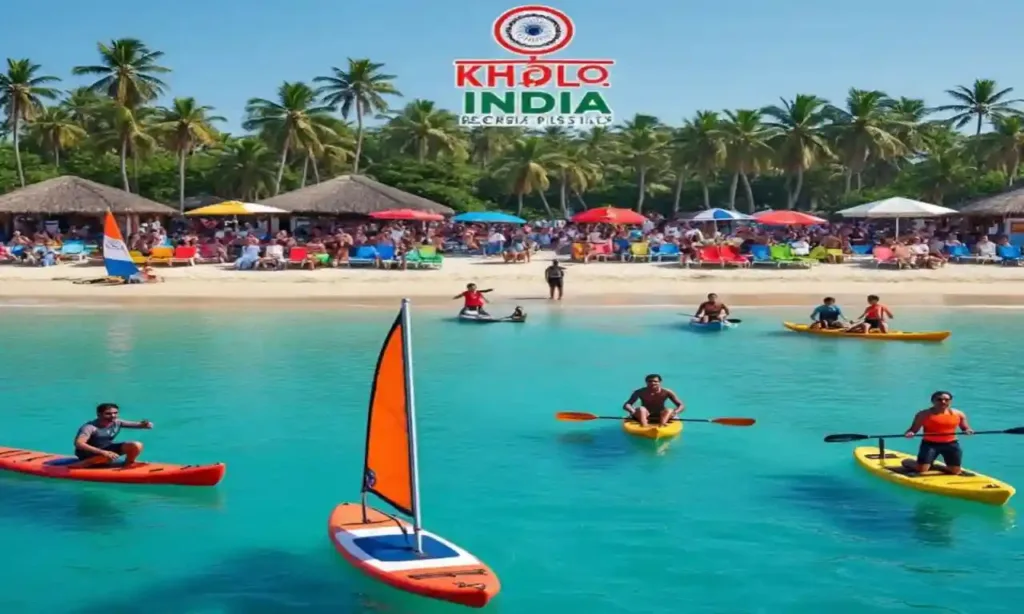
India’s sports landscape has been transforming rapidly over the last few years, and one of the most exciting developments has been the rise of water sports. Among these, kayaking and canoeing have begun to capture the imagination of young athletes and sports enthusiasts across the nation. The Khelo India Water Sports Festival (KIWSF) has played a crucial role in giving these athletes a platform to showcase their skills while nurturing aspirations that reach far beyond the country’s borders.
The inaugural edition of the KIWSF created waves not only because of the sheer enthusiasm it generated but also because of the opportunities it opened up for athletes. Out of the 24 gold medals at stake, as many as 14 were dedicated to kayaking and canoeing, both Olympic sports. This deliberate focus signals the government’s and organizers’ intent to promote disciplines where Indian athletes have historically been underrepresented but have tremendous potential to excel on the global stage.
Why Water Sports Matter for India
For a country like India, blessed with vast rivers, lakes, and a long coastline, water sports should naturally be an area of strength. Yet for decades, these sports remained in the shadows, overshadowed by cricket, hockey, or athletics. The Khelo India initiative aims to correct this imbalance by providing structured opportunities, infrastructure, and visibility to sports that often do not receive mainstream attention.
Kayaking and canoeing, in particular, require immense physical endurance, mental focus, and technical expertise. Athletes train for years to master their strokes, balance, and speed. By introducing these sports through a national festival, India is making a statement that it intends to compete with the world’s best, especially in Olympic disciplines.
Khelo India’s Role in Building Dreams
The Khelo India initiative was designed with a vision: to identify talent at the grassroots, nurture them with the right facilities, and eventually create champions who can bring glory to the nation. The Water Sports Festival aligns perfectly with this mission.
- Exposure to Olympic-Level Events:
All kayaking and canoeing events at the KIWSF were aligned with Olympic formats. This ensures that athletes are not just participating for medals at the national level but are also preparing for the kind of competition they will face globally. - Grassroots to Elite Pathway:
By giving youngsters a chance to compete at such festivals, Khelo India is building a pipeline where future Olympians can be identified early. Talents spotted here can be trained with specialized coaching, better equipment, and international exposure. - Creating Awareness Among Youth:
Perhaps one of the most significant impacts of the festival is the awareness it generates. Many youngsters who may never have considered kayaking or canoeing as viable career options are now seeing role models in the athletes competing in these events.
Athletes and Their Global Aspirations
For the kayakers and canoeists, the KIWSF was more than just another tournament. It was an opportunity to measure themselves against international standards and set their sights on greater goals. Many athletes who competed in the festival spoke about how the experience gave them confidence and motivation to dream bigger.
- Chasing Olympic Qualification: With kayaking and canoeing recognized as Olympic sports, athletes now know that excelling in these disciplines could give them a shot at the biggest sporting stage in the world.
- International Competitions: Beyond the Olympics, there are Asian Games, World Championships, and other global events where Indian athletes can aim to make their mark. The KIWSF acts as the launchpad for such ambitions.
- Professional Careers in Sports: As water sports gain more visibility, opportunities for sponsorship, training abroad, and professional recognition increase. This is vital for sustaining athletes’ careers.
Government and Institutional Support
The success of the KIWSF also highlights the government’s growing commitment to supporting niche sports. Organizing such a large-scale festival requires significant investment in terms of infrastructure, safety measures, and logistics. By ensuring that kayaking and canoeing events were conducted in line with international standards, the organizers have sent a clear message: India is serious about water sports.
Further, support from the Sports Authority of India (SAI), state governments, and local sports bodies ensures that athletes are not left alone to fend for themselves. Training centers, modern equipment, and specialized coaching are being made available to nurture this talent pool.
Challenges Ahead
While the KIWSF is undoubtedly a milestone, there are still challenges that need to be addressed if India wants to produce world-class kayakers and canoeists:
- Infrastructure Gaps: Not all regions have access to water bodies suitable for training. Building dedicated water sports centers across the country is crucial.
- Awareness and Participation: Although awareness is growing, kayaking and canoeing still remain niche sports. More promotional campaigns and school-level programs are required.
- International Exposure: Competing with global athletes requires regular participation in international tournaments. Greater investment is needed to send Indian athletes abroad for training and competitions.
- Sponsorship and Funding: Like many non-cricket sports in India, funding remains an issue. Private sponsors must be encouraged to support promising athletes.
Inspiring Stories Emerging from the Festival
One of the most heartwarming outcomes of the KIWSF has been the inspiring stories of athletes who overcame personal and financial struggles to participate. Young boys and girls from remote villages, who trained in local rivers with makeshift equipment, finally got a chance to prove their talent on a national stage.
These stories resonate not just within India but globally, as they highlight the power of sport to uplift lives and communities. For many of these athletes, the KIWSF was not just about winning medals but about proving to themselves and others that they belong on the big stage.
Global Aspirations: What Lies Ahead
The global aspirations of Indian kayakers and canoeists are no longer a distant dream. With structured programs like Khelo India, India is slowly but steadily building a strong base in water sports. The goal is clear: to see Indian athletes competing – and winning – at the Olympics and other international competitions.
The KIWSF serves as both a training ground and a confidence booster. The message to the world is loud and clear: India is ready to make a splash in global water sports.
Conclusion
The Khelo India Water Sports Festival has done more than just host competitions; it has ignited dreams, created pathways, and laid the foundation for India’s rise in kayaking and canoeing. With 14 of the 24 gold medals dedicated to these Olympic sports, the focus is firmly on building international champions.
By giving athletes the right exposure, government support, and public recognition, the festival has ensured that the aspirations of kayakers and canoeists now go far beyond national boundaries. The journey has just begun, but the destination is clear – global excellence.
India is no longer content with being a spectator in water sports. With initiatives like the KIWSF, it is preparing to become a serious contender on the world stage. The dreams of young kayakers and canoeists are now aligned with Olympic goals, and with sustained support, these aspirations are bound to turn into achievements.
FAQs
Q1. What is the Khelo India Water Sports Festival?
The Khelo India Water Sports Festival (KIWSF) is a national-level event designed to promote water sports like kayaking, canoeing, and rowing, while also preparing athletes for international and Olympic-level competitions.
Q2. How many medals were at stake in the first KIWSF?
There were 24 gold medals up for grabs, out of which 14 were specifically reserved for kayaking and canoeing events.
Q3. Why is KIWSF important for kayaking and canoeing in India?
The festival showcases Olympic-standard events, giving Indian kayakers and canoeists a platform to compete at global levels and boosting their international exposure.
Q4. Are the events in KIWSF recognized as Olympic sports?
Yes, all kayaking and canoeing events included in KIWSF are recognized Olympic events.
Q5. How will the festival impact the future of water sports in India?
The festival not only identifies young talent but also inspires global ambitions among Indian athletes, ensuring long-term growth of water sports like kayaking and canoeing in India.
Q6. Which sports were highlighted in KIWSF apart from kayaking and canoeing?
The festival featured a range of water sports including rowing, sailing, and other Olympic disciplines.
Q7. Where was the inaugural KIWSF held?
The event was hosted in India at a premier water sports venue, highlighting the country’s commitment to sports infrastructure development.
Q8. How does KIWSF support India’s Olympic vision?
By aligning its competitions with Olympic events, KIWSF helps Indian athletes gain early exposure, practice, and motivation to represent the country at the highest level.
Q9. Who can participate in KIWSF?
Athletes across different states of India, particularly young and upcoming water sports players, are encouraged to participate and showcase their skills.
Q10. What legacy will KIWSF create?
The Khelo India Water Sports Festival will leave behind a legacy of inspiring young athletes, boosting infrastructure, and positioning India as a future hub for global water sports.