Introduction
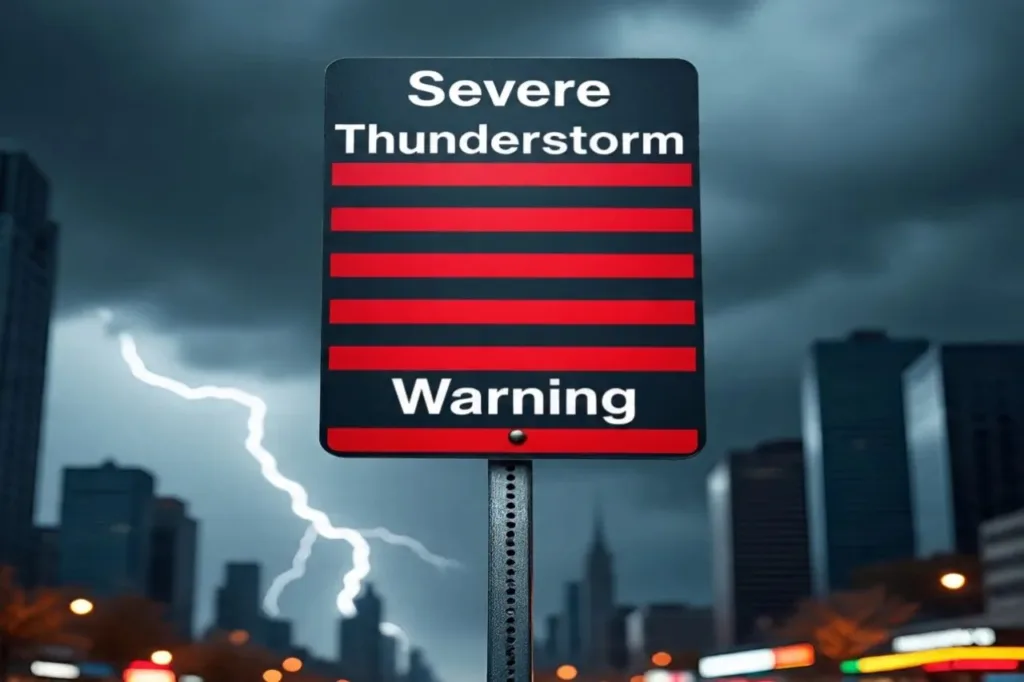
When weather alerts flash across your phone or TV, a Severe Thunderstorm Warning is one of the most important to pay attention to. Unlike a “watch,” which means conditions are favorable, a warning means severe weather is happening right now or is about to strike. These storms can bring damaging winds, large hail, flash floods, and dangerous lightning. Knowing what this warning means and how to respond could save lives.
What is a Severe Thunderstorm Warning?
A Severe Thunderstorm Warning is issued by weather authorities (like the National Weather Service in the U.S.) when radar or spotters confirm a storm that meets certain dangerous criteria.
For a thunderstorm to be considered “severe,” it usually must produce:
- Hail at least 1 inch in diameter (about the size of a quarter).
- Wind gusts of 58 mph (93 km/h) or stronger.
- Sometimes torrential rainfall or frequent lightning are also present, but lightning alone does not trigger the warning.
When a warning is issued, it typically lasts 30 to 60 minutes, depending on the storm’s movement and intensity.
Why Severe Thunderstorms Are Dangerous
A storm under a warning isn’t just another rainy day. It carries real threats, such as:
- Damaging Winds: Enough to knock down trees, power lines, and roofs. Flying debris becomes hazardous.
- Large Hail: Can shatter windows, damage cars, and destroy crops.
- Flash Flooding: Heavy rain in a short period can overwhelm drains and low-lying areas.
- Lightning: A single strike can cause fires, power outages, or injury.
What To Do During a Severe Thunderstorm Warning
If You’re Indoors
- Move to an interior room on the lowest floor, away from windows.
- Avoid using corded phones, electrical devices, or plumbing.
- Unplug electronics if safe to do so.
- Keep a flashlight and emergency kit nearby in case of power loss.
If You’re Outside
- Seek shelter immediately in a sturdy building.
- Stay away from isolated trees, tall structures, and metal objects.
- Do not shelter under bridges or overpasses.
If You’re in a Vehicle
- Drive to a safe shelter if possible.
- If shelter isn’t nearby, remain in your car with the windows closed.
- Avoid parking under trees or power lines that could fall.
Before the Storm Hits
- Stay alert to forecasts, especially during storm season.
- Secure outdoor items like patio furniture or trash bins that could turn into projectiles.
- Keep phones charged and emergency supplies ready.
After the Storm Passes
- Remain inside until officials confirm it’s safe.
- Watch out for downed power lines, broken glass, or weakened structures.
- Never drive through flooded roads – just a few inches of water can sweep a car away.
- Check on neighbors, especially the elderly or those with special needs.
Final Thoughts
A Severe Thunderstorm Warning means it’s time to act, not to wait. These storms may pass quickly, but the damage they leave behind can be lasting. By moving to safety, avoiding risky behavior, and staying informed, you can protect yourself, your family, and your property whenever severe weather strikes.
FAQs
Q1: What does a severe thunderstorm warning mean?
A severe thunderstorm warning means a dangerous storm with damaging winds, large hail, or heavy rain is occurring or will occur soon in your area.
Q2: What’s the difference between a thunderstorm watch and a warning?
A watch means conditions are favorable for severe storms, while a warning means severe weather is happening now or is imminent.
Q3: How strong is a severe thunderstorm?
A storm is considered severe if it produces winds of 58 mph or higher, or hail at least 1 inch in diameter.
Q4: Should I stay inside during a severe thunderstorm warning?
Yes, always stay indoors, away from windows, and in an interior room if possible.
Q5: Is it safe to use electronics during a thunderstorm?
Avoid using corded phones and plugged-in devices, as lightning can cause electrical surges.
Q6: Can severe thunderstorms cause tornadoes?
Yes, some severe thunderstorms can spawn tornadoes, especially in unstable weather conditions.
Q7: How long does a severe thunderstorm warning last?
Most warnings last 30 to 60 minutes, but they can be extended if the storm continues.
Q8: What should I do if I’m driving during a thunderstorm warning?
Seek safe shelter immediately. If that’s not possible, stay in your vehicle with windows closed and avoid low-lying or flooded areas.
Q9: Is it safe to shelter under a tree during a thunderstorm?
No, trees can attract lightning and may fall during strong winds.
Q10: Can lightning strike inside a house?
Yes, lightning can travel through wiring, plumbing, and phone lines, which is why it’s best to avoid them during storms.
Q11: What size hail is dangerous?
Hail larger than 1 inch (quarter-sized) can cause severe damage to cars, crops, and roofs.
Q12: Should I unplug electronics during a storm?
Yes, unplug sensitive electronics to protect them from power surges caused by lightning.
Q13: What are the first signs of a severe thunderstorm?
Darkening skies, sudden gusts of wind, distant thunder, and rapidly dropping temperature are common early signs.
Q14: How do I prepare my home for severe thunderstorms?
Secure outdoor items, check drainage systems, and keep an emergency kit ready.
Q15: Can severe thunderstorms happen at night?
Yes, nighttime thunderstorms can be especially dangerous since visibility is limited and people are often asleep.
Q16: Are severe thunderstorms common everywhere?
They are more common in regions like the U.S. Midwest and Southeast, but they can happen worldwide.
Q17: Can a severe thunderstorm warning include flash flooding?
Yes, heavy rain can cause flash flooding, often included in warnings if the risk is high.
Q18: How do I get notified of thunderstorm warnings?
Through weather apps, emergency alerts on phones, TV, radio, or NOAA weather radios.
Q19: What should I keep in an emergency storm kit?
Flashlight, batteries, first-aid kit, bottled water, non-perishable food, and phone chargers.
Q20: Is it safe to shower during a thunderstorm?
No, avoid using plumbing as lightning can travel through water pipes.