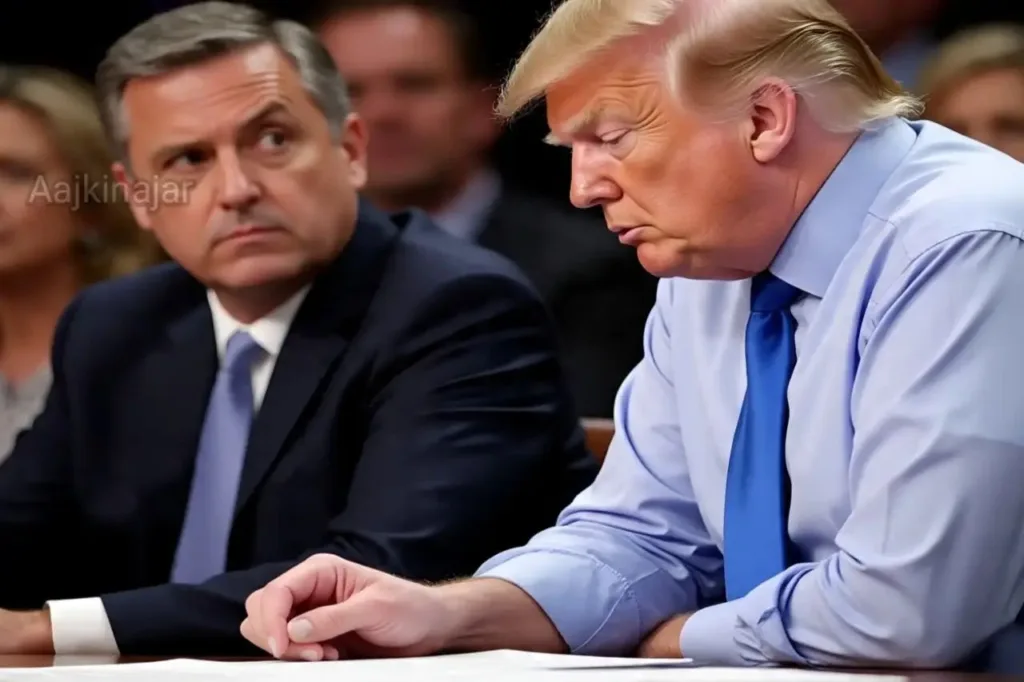
The 2016 U.S. presidential debates between Donald Trump and Hillary Clinton remain some of the most memorable—and contentious—in American political history. These debates were not only defining moments of the election cycle but also showcased the unique rhetorical style that Trump brought to the national stage. Among the most replayed exchanges was the moment when Trump, visibly frustrated by fact-checking and pointed questions, declared: “That’s not a very nice question.”
This reaction, though brief, captured the essence of Trump’s approach to the Trump 2016 debates: combative, defensive, and unwilling to yield when challenged. It also symbolized how Trump turned moderator questions into political weapons, reframing accountability as bias and leveraging it to appeal to his supporters.
Setting the Stage: The First Trump 2016 Debate
The first of the Trump 2016 debates took place on September 26, 2016, at Hofstra University in New York. NBC’s Lester Holt moderated the event, which was viewed by more than 80 million Americans—the largest audience for a presidential debate in history at the time.
Heading into the debate, Trump faced mounting criticism for his controversial remarks about women, immigrants, and foreign policy. Clinton, a seasoned politician, prepared extensively to hold Trump accountable for his record and statements. From the beginning, it was clear the tone would be tense.
Holt, aware of scrutiny over moderator bias, attempted to stay neutral. But when Trump’s statements strayed into disputed territory—whether on his support for the Iraq War, his views on climate change, or his treatment of women—the questions inevitably put him on the defensive.
“That’s Not a Very Nice Question”
One of the most striking exchanges came when the debate turned to Trump’s history of making derogatory comments about women. Clinton referenced his pattern of insults, citing moments when Trump had referred to women as “pigs,” “slobs,” or worse. Holt attempted to move the conversation along, but Trump cut in defensively:
“I never said that.”
When Holt tried to clarify, Trump interrupted with:
“It’s not nice. And I don’t deserve that.”
While not a direct “that’s not a very nice question” quote in the official transcript, the sentiment was unmistakable. Trump’s instinct was to paint himself as the victim of unfair questioning rather than address the substance of Clinton’s critique. This became a recurring tactic throughout the Trump 2016 debates.
Trump’s Debate Strategy: Deflection and Counterattack
The moment epitomized Trump’s broader strategy during the Trump 2016 debates:
- Deflect tough questions by denying or reframing.
- Attack the moderators to suggest bias or unfair treatment.
- Turn the exchange into a rallying point for his base, portraying himself as the outsider fighting a rigged system.
For example, when asked about supporting the Iraq War, Trump denied having done so—despite evidence to the contrary. When Holt pressed, Trump accused the media of lying. Similarly, when confronted about climate change, Trump shifted focus to jobs and dismissed the issue as secondary.
By repeatedly undermining the legitimacy of the moderators, Trump ensured that fact-checks and challenges appeared partisan rather than neutral.
Hillary Clinton’s Counterpunch
Clinton, anticipating Trump’s defensiveness, often came prepared with direct quotes or documented evidence. When Trump denied calling women derogatory names, Clinton pointed to public interviews and tweets.
Her strategy was to highlight the contrast between her polished preparation and Trump’s improvisational style. However, Clinton sometimes struggled to cut through Trump’s interruptions. His dominance of the stage—even when inaccurate—helped him appear forceful, a quality that resonated with many undecided voters.
The Role of Moderators in the Trump 2016 Debates
The Trump 2016 debates placed moderators in a nearly impossible position. Holt, along with later moderators like Anderson Cooper, Martha Raddatz, and Chris Wallace, faced pressure to fact-check Trump’s frequent exaggerations and falsehoods without appearing biased.
Holt mostly refrained from real-time corrections, but moments when he pressed Trump—such as the Iraq War claim—triggered defensive pushback. Trump framed these moments as “gotcha questions,” telling audiences that the moderators were unfair.
This dynamic effectively shifted the burden of fact-checking onto the media and viewers themselves, fueling a broader debate about whether moderators should serve as referees or facilitators.
Media and Public Reactions
After the debate, media outlets fact-checked Trump’s statements extensively. NPR, The Guardian, and The Washington Post all catalogued dozens of inaccuracies, from his stance on climate change to his claim of opposing the Iraq War from the start.
Social media amplified the moment. On Twitter, hashtags like #TrumpLies and #Debates2016 trended as users fact-checked in real time. Yet Trump supporters celebrated his combative style, interpreting his refusal to back down as strength.
The phrase “It’s not nice” became symbolic of Trump’s ability to redirect criticism into a grievance narrative—a pattern he would continue throughout his presidency.
Why This Moment Mattered
The Trump 2016 debates were more than a contest of policy; they were a battle of performance styles. Trump’s dismissal of tough questions as “not nice” showed how he rejected traditional political norms of accountability. Instead, he leaned into disruption, signaling to voters that he was not a conventional politician.
This strategy had risks—it alienated some undecided voters—but it energized his core base, which ultimately proved decisive in the election outcome.
Lasting Impact on Debate Culture
The 2016 debates reshaped expectations for political discourse. Trump’s tactics forced future moderators to rethink their roles, while political analysts debated whether live fact-checking should become standard practice.
The Trump 2016 debates also underscored the growing divide in media consumption. Supporters viewed his clashes with moderators as evidence of liberal media bias, while critics saw them as proof of his dishonesty. Both interpretations fueled polarization that continues today.
FAQs on Trump 2016 Debates
Q1. What were the Trump 2016 debates?
The Trump 2016 debates refer to the presidential debates between Donald Trump and Hillary Clinton during the 2016 U.S. election cycle.
Q2. When did the first Trump 2016 debate take place?
The first debate was held on September 26, 2016, at Hofstra University in New York.
Q3. Who moderated the first Trump 2016 debate?
NBC anchor Lester Holt served as the moderator for the first debate.
Q4. What did Trump mean by saying “It’s not nice” in the debates?
Trump reacted defensively when pressed about derogatory remarks he had made, dismissing the moderator’s question as unfair.
Q5. Did Trump really say “That’s not a very nice question” in the 2016 debates?
While the exact phrase isn’t in the official transcript, Trump did respond with lines like “It’s not nice” and “I don’t deserve that,” capturing the same sentiment.
Q6. How did Hillary Clinton counter Trump in the debates?
Clinton often came prepared with documented quotes and fact-checks, challenging Trump’s denials on issues like the Iraq War and his treatment of women.
Q7. How did the moderators handle Trump’s false claims?
Moderators like Lester Holt largely avoided live fact-checking, which led to criticism but also kept them from appearing biased.
Q8. What was the public reaction to the Trump 2016 debates?
The debates drew record-breaking audiences, sparked social media fact-checking, and polarized public opinion even further.
Q9. How did Trump use his clashes with moderators?
He portrayed moderator challenges as proof of media bias, rallying his supporters and strengthening his outsider image.
Q10. What role did social media play in the debates?
Twitter users and media outlets fact-checked Trump in real time, making the debates one of the most interactive political events ever.
Q11. Why were the Trump 2016 debates historically significant?
They reshaped expectations for political debate, challenging traditional norms of civility, fact-checking, and moderator authority.
Q12. How did the debates impact Trump’s election win?
Though critics called out inaccuracies, Trump’s aggressive style energized his base and helped him maintain momentum in the final weeks of the campaign.
Read More:-Trump RFK Jr Senate Testimony: False Claims, CDC Director’s Pushback, and Political Fallout